
Choosing a farm painting contractor
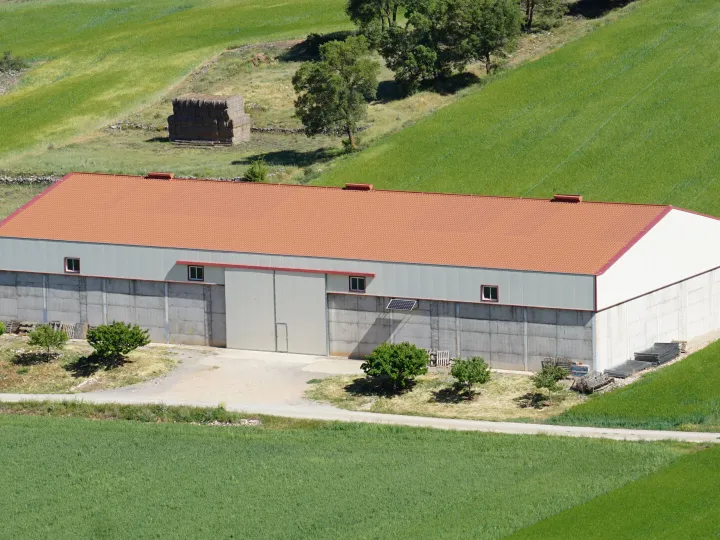
When we visit a farm for the first time, we notice more than just faded cladding or a rusty roof. We see a valuable business asset that needs to keep working, whether it is a grain store, dairy, poultry unit, or machinery shed. A skilled agricultural painting contractor does more than improve appearances. The right team protects steel and concrete from corrosion, helps manage indoor hygiene and lighting, and extends the life of buildings that would otherwise be very expensive to replace.
Through our work on farms and agri-industrial sites, we have seen how much the right specification and workmanship matter. For example, a dairy client told us that a well-planned repaint turned a dark, flaking parlour into a bright, easy-to-clean space that staff wanted to keep tidy. Another customer with a large grain operation had corrosion on portal frames addressed, avoiding major repairs. These are the practical, commercial benefits that farmers and rural businesses want.
From our experience, agricultural painting is a specialist field. It requires working safely at height, planning around livestock and harvest times, using industrial coatings, and understanding how farm conditions accelerate paint wear. We share the checklists and questions we recommend to our clients, so you can choose a contractor like MCP to deliver lasting results and a smooth project experience.
Understanding agricultural painting challenges
We understand that a farm is a much tougher environment than a typical commercial building. Livestock buildings produce ammonia and moisture, grain stores create dust and wear, and open sheds face wind, rain, and salt in many areas of the UK. These factors speed up corrosion and can quickly damage poor-quality coatings. When we plan a system for a new client, we always begin by examining how their buildings are used and the challenges they face every day.
We often see that the biggest technical challenge is preparing surfaces while farm work continues. Rust, flaking paint, and chalky surfaces need to be cleaned and made stable, but the contractor also has to control dust and debris to keep feed, bedding, or products safe. A good agricultural painting contractor knows how to plan the work, use appropriate preparation methods and protect sensitive areas. Our customers often say that this practical knowledge of farm conditions is what makes specialist farm painters different from general decorators.
Another important point is making sure new coatings work well with what is already there. We often test small areas to see how new primers and topcoats react with old cladding paint or galvanised steel. This helps us avoid problems such as poor adhesion, blistering, or chemical reactions between layers. In our work with feed mills and machinery stores, careful testing has prevented costly rework and ensured corrosion-resistant paint lasts as intended.
Assessing experience and track record
When we meet new clients, they often ask how much agricultural work we do compared to general industrial projects. Farmers and landowners do well to ask specific questions about their farm experience. A good contractor will have experience with buildings like yours, whether it is a poultry unit, potato store, or grain dryer.
Reviews and testimonials can show how the team managed weather delays, kept the yard tidy, and finished on time. Independent review sites and trade references add extra confidence. Customers often say that hearing another farmer talk about a successful repaint gives them more trust than any brochure.
How long a contractor has been in business is another good sign. Building a reputation in rural areas can take years of steady work. Look for a history of farm painting over several seasons and on different types of buildings. Experienced teams usually have strong methods, the right equipment, and good communication with busy farm managers. In our work, we often find that this experience leads to fewer surprises during the project.
Checking safety, insurance and compliance
For us, working safely on farms is essential. Before starting any project, we conduct detailed risk assessments, method statements, and COSHH assessments to identify hazards such as working at height, fragile roofs, moving machinery, and livestock. We have found that this careful approach protects our team and reassures clients who have their own health and safety duties under UK law.
We recommend that every farmer checks if a contractor has the right insurance, including public liability and employers’ liability cover. In our experience, professional companies are happy to show proof of current policies with their proposal. This is important because painting roofs, silos, and steel frames is risky. Good insurance protects both sides if something goes wrong. Some of our larger clients also ask for proof of training in the use of access platforms, harnesses, and other equipment, which is a good standard to follow.
We often help clients with environmental and welfare regulations. For example, some coatings and cleaning methods are not suitable near open water or sensitive livestock. Responsible agricultural painting contractors choose products that meet current standards and dispose of waste properly. We have found that this care helps avoid problems during audits and keeps operations running smoothly. When discussing roof or hygiene coatings, ask how the contractor meets your Red Tractor, BRC, or retailer requirements.
Evaluating specifications and materials
One of our key jobs is turning technical product data into clear, practical specifications for clients. Not all paints sold for industrial use work well in tough farm conditions. We look for coatings that resist ammonia, moisture, and UV, and that match the materials on site. When you compare proposals from contractors, look at the products they specify, not just the prices. Cheaper materials may look good at first but often fail sooner, leading to more repaints.
We have found that a good specification for farm building repainting always includes details on surface preparation, primers, intermediate coats, and final finishes. For steel frames, this could mean removing rust, applying a zinc phosphate primer, and then two coats of a strong protective topcoat. For fibre cement roofs, the system may use a specific roof coating made for that material. Our clients often say that getting this level of detail makes them confident the contractor knows their job.
It is also smart to ask how the contractor will handle colour matching and gloss levels. We have seen that choosing the right colour can make stores brighter and yards look cleaner and more professional. Feed merchants and machinery dealers have benefited from consistent branding on cladding, doors, and trims, which helps their image with customers. A contractor who understands these business details, not just the technical side, will add more value to your project.
Understanding pricing, estimates and value
Over the years, we have found that the best results come when clients choose based on value rather than just the lowest price. A detailed, written estimate should clearly list what is included, such as scaffolding, access platforms, surface preparation, number of coats, and any repairs. When we make proposals, we break down the work and explain any assumptions about weather or working around livestock, so there are no surprises. Expect the same openness from any contractor you ask for a quote.
We have seen cases where the lowest price came from a contractor who did little preparation, applied only one coat of cheap paint, and did not adequately protect nearby surfaces. These jobs often failed early, leaving the farmer frustrated and needing another repaint in just a few years. On the other hand, clients who spent a bit more on better materials and proper preparation are still happy with their buildings years later. Their feedback shows that high-quality materials and workmanship usually reduce the total cost over time.
On larger projects, it is common for contractors to request staged payments, especially when work is spread across several sheds or seasons. We suggest making sure payment terms, start and finish dates, and how changes will be handled are all clear. Our customers like knowing exactly what to expect, especially when they need to plan painting with cash flow and other projects. At MCP, we are open about pricing and willing to answer questions, which usually makes it easier to work with us throughout the contract.
Managing logistics and farm operations
From our perspective, the most successful projects are those where the client and the team plan logistics together. On working farms, painting has to fit around milking times, harvest schedules, animal movements and deliveries. We often phase work so that only one part of a yard or building is disrupted at a time, and we agree access routes that keep staff and visitors safe. When you speak with potential contractors, listen for signs that they understand these practical realities rather than treating your farm like a standard industrial estate.
Weather is another major factor. We frequently adjust schedules for high-level barn cladding painting and roofs to avoid high winds, heavy rain or low temperatures that could affect adhesion and drying times. Experienced agricultural painting contractors will build this flexibility into their programme and keep you informed about any changes. Our clients often comment that proactive communication about weather delays makes it much easier for them to plan staffing and other jobs around us.
Cleanliness and tidiness are important too. We make sure to protect yard surfaces, vehicles, and equipment from overspray and debris, and we always try to leave sites as clean as we found them. Many farmers have told us they value contractors who respect their property, close gates, and understand biosecurity rules on livestock farms. When choosing contractors, ask how they handle site cleaning, waste removal, and welfare facilities. Their answers will show how they will act on your land.
Looking for guarantees and aftercare
We believe the paint job does not end when the last coat dries. For our projects, we usually give written warranties that explain what is covered, for how long, and under what conditions. This might include how certain coatings perform on specific materials, or the period during which we will address issues such as flaking or early rust. When choosing a contractor, ask for similar documents and make sure you understand the details.
Our experience suggests that aftercare support is very important on farms. Buildings keep getting knocks from machinery, animals, and changing use. We encourage clients to regularly inspect their buildings and promptly report any damage, so we can recommend touch-ups or minor repairs before problems worsen. Contractors who care about how their work holds up over time usually build longer relationships with farmers and estates.
Customers often tell us they like having a familiar team to call when they add new sheds or need more work on existing ones. Because we keep records of past specifications and colours, we can make sure new work matches the old. When you choose a contractor who offers this kind of continuity, you are investing in a partner who helps you manage your buildings for the long term, not just doing a one-time paint job. The farms that achieve the best results are those that take a deliberate, informed approach to selecting their painting contractor. They look for proven experience in farm environments, robust safety and compliance processes, carefully chosen materials, transparent pricing, and a commitment to aftercare. By applying these criteria, you end up with buildings that are not only smarter in appearance but better protected and easier to manage.
We have seen firsthand how a well-planned repaint can change the working atmosphere in a dairy, extend the life of a grain store roof, or help a machinery dealer look more professional to customers. In many cases, investing in quality farm painting has delayed costly replacements and improved daily operations. Our clients often say they wish they had started their painting projects sooner after seeing the results.
If you are thinking about hiring an agricultural painting contractor, we encourage you to act while issues are still small rather than waiting until corrosion or flaking worsens. Talk to the MCP team, ask the questions and compare not just prices but also specifications, references, and warranties. If you want help assessing your buildings or discussing the right roof coatings and finishes, our team would be happy to share our experience and help you plan a project that protects your assets and supports your business.