
Intumescent paint in buildings
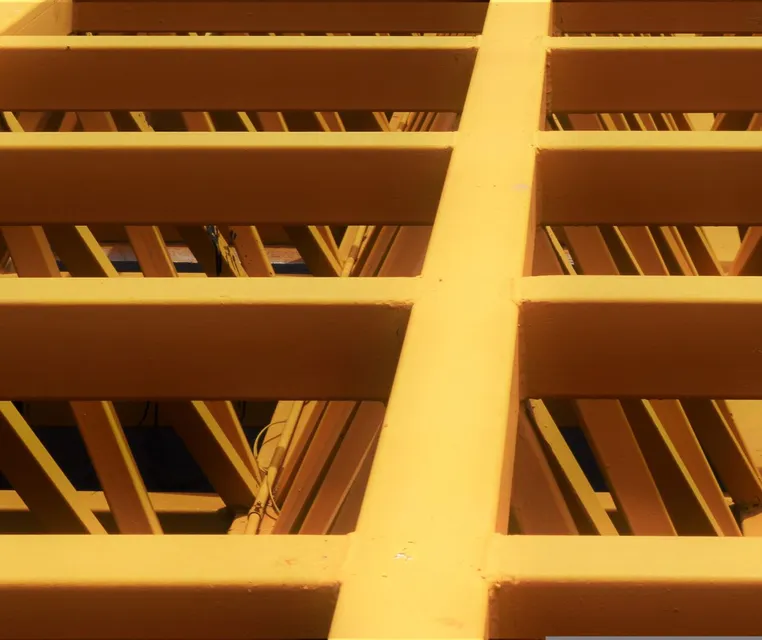
How intumescent paint protects buildings
If a major fire starts in your building, the strength of the steel frame becomes crucial very quickly. Without protection, steel can lose much of its load-bearing capacity at temperatures above about 550°C. This raises the risk of collapse while people are still leaving and firefighters are working to control the blaze.
Intumescent paint for structural steel is designed to dramatically slow this process. These fire protective coatings for commercial buildings expand into a thick, insulating char when exposed to high heat, providing crucial extra time – typically 30, 60, 90, or 120 minutes of fire resistance, depending on the system and design.
We cover how intumescent coatings for steel beams and columns work, the main parts of a compliant system, what UK decision-makers should know about regulations, and practical tips for choosing and applying intumescent paint on active commercial and industrial sites.
You will also find examples showing how fire-rated coatings add value in warehouses and offices. This can help you decide if an intumescent solution is right for your next project.
How intumescent paint works
Intumescent paint is a special fire-protective coating that reacts to high temperatures, not just adding colour or decoration. In normal conditions, it looks and acts like a thick layer of decorative paint on the steel. When a fire occurs and temperatures rise, the coating undergoes a chemical reaction. The binder softens, gases are released, and the paint swells to many times its original thickness, forming a stable, insulating layer.
This 'char' layer does not conduct heat well, so it slows the rate at which the steel underneath heats up. This keeps the steel below its failure temperature for a set time. Well-designed intumescent coatings for steel beams and columns are tested to recognised standards and can provide 30 to 120 minutes of fire resistance, depending on the thickness, steel size, and system used.
In commercial buildings, this extra time helps people evacuate, keeps escape routes safe, and gives fire crews a better chance to control the fire before the structure is at risk.
Key components of an intumescent system
An intumescent system for structural steel is more than just one can of paint. It is made up of several carefully matched layers. Usually, the system includes a primer to protect against rust, the main intumescent paint applied at the right thickness, and a sealer or topcoat for the desired colour and extra protection.
All layers must be tested together to ensure the system provides the correct fire protection and lasts as expected. Inside the intumescent layer, three main parts work together: an acid source, a carbon donor, and a blowing agent. As temperatures rise, the acid source helps break down the carbon donor to form a char, while the blowing agent releases gases that expand the softened coating.
The four stages—softening, gas release, char formation, and expansion—must occur in a controlled manner to create a uniform, protective foam that adheres to the steel during a fire. If products are of poor quality or do not match, the coating may expand unevenly, or the char may break down. This weakens the fire-resistant protection on commercial buildings.
Fire regulations and test standards
When specifying UK intumescent paint, regulations and standards are critical considerations. In the UK and Europe, intumescent coatings for structural steel are typically tested to standards such as BS 476 Part 21 or the relevant EN fire resistance tests, which define performance in terms of minutes of fire resistance under standard fire curves.
Manufacturers publish tested load tables and thickness recommendations based on these standards so that designers can match a coating system to the required fire rating and steel section factor. For commercial buildings, especially workplaces, public venues, and multi-storey properties, fire safety plans often require 60 or 90 minutes of fire resistance for main structural parts, and sometimes 120 minutes for higher-risk or complex buildings.
Getting steel to meet 60 or 120 minutes of protection usually needs thicker intumescent paint and careful work around connections and joints. Working with an experienced applicator who understands both the product details and on-site challenges helps ensure the correct film thickness is applied and recorded, supporting building control approval and insurance needs.
On-site versus off-site application
Deciding whether to apply intumescent paint on-site or off-site is an important choice for many projects. Off-site application means steel sections are coated in a factory and then brought to the site. This can improve quality control, ensure consistent film thickness, and reduce disruption on busy sites. It works especially well for new builds or major renovations with lots of exposed steel.
For existing warehouses, offices, car parks, and production facilities, on-site application is often more practical. Contractors need to manage access, prepare surfaces, control overspray, and plan curing times around ongoing operations. Sometimes, they work at night or on weekends to reduce downtime.
Choosing between spray, brush, or roller application depends on the product, the shape of the steel, and the environment. Many water-based systems are made for airless spraying but can be applied with a brush for touch-ups and small areas. No matter the method, it is important to check both wet and dry film thicknesses to ensure fire-rated coatings for warehouses and offices provide the required protection.
Typical use in commercial buildings
Intumescent paint for structural steel is most often used on columns, beams, and braces that make up the main frame of a building. In modern offices where exposed steel is part of the design, these coatings let designers keep the steel visible while still meeting fire safety standards. In more practical spaces like distribution centres, factories, and sports arenas, the coatings are usually hidden behind ceilings or walls, yet they remain a key part of the fire safety plan.
Fire protective coatings for commercial buildings are also used on secondary parts, such as stair cores, atrium structures, and steel supporting escape routes. In some special cases, intumescent systems can be made for timber, cables, or other materials as part of a larger fire protection plan.
For office blocks with many tenants, retail centres, or mixed-use buildings, combining intumescent coatings with compartmentation, fire stopping, and sprinklers helps build a strong, layered fire safety system.
Choosing a contractor
Because intumescent coatings are vital to safety, choosing an experienced contractor is just as important as selecting the right product. Approved applicators from major manufacturers are trained in preparation, mixing, application, and inspection. They know how to read manufacturer load tables, calculate section factors, and determine the required film thickness for 30, 60, 90, or 120 minutes of protection for each part.
On commercial and industrial projects, the contractor should be able to plan work around your operations, whether that means working in phases in a busy warehouse or scheduling shutdowns in a production facility. A good contractor will provide method statements, quality control records, and, when needed, certification to demonstrate compliance with UK intumescent paint regulations and standards. This transparency helps clients, designers, and building control officers approve the project with confidence.
Talk to a specialist
Structural steel is central to modern commercial buildings, but without proper protection, it can be a weak point in a serious fire. Intumescent paint for structural steel is a proven way to provide 30 to 120 minutes of fire resistance, helping key structural components remain strong while people evacuate and emergency teams respond.
By learning how intumescent coatings work, what constitutes a complete system, and the UK regulations and standards governing them, you can make better decisions for your next project. If you are planning a new build, extension, or renovation and want your steel frame, warehouses, offices, or public spaces to have strong fire protection, now is a good time to talk to a specialist contractor.
They can review your current structure or plans, recommend the right systems, and deliver a certified, high-quality application with minimal disruption to your work. Contact MCP Painting Group to discuss your fire protection needs and see how custom intumescent solutions can help protect your building, people, and business.