
Intumescent Painting
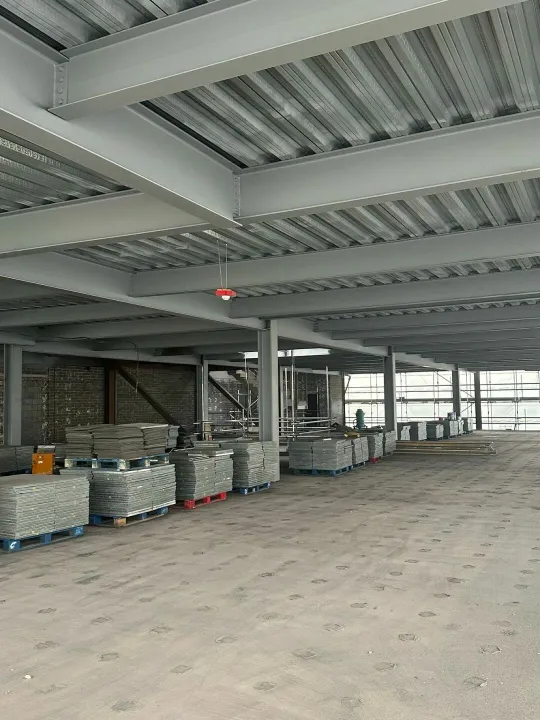
Intumescent Painting Contractor
MCP Painting Group is proud to be your go-to provider for professional industrial painting services in the UK, specialising in commercial intumescent paint applications. Our expert team in Manchester is dedicated to ensuring that your commercial properties meet the highest safety standards while enhancing their aesthetic appeal.
Intumescent paint plays a crucial role in fire protection by expanding when exposed to heat, thus providing an insulating layer that protects structural steel and cladding. This application not only safeguards your building but also enhances its overall finish, making it ideal for a range of commercial projects.
With a strong focus on quality, we utilise premium materials and industry-leading equipment to deliver exceptional results for cladding and steel structure painting across the North West. Our skilled professionals bring meticulous attention to detail, ensuring that every project is completed to the highest standards.
Choosing MCP Painting Group means choosing reliability and excellence. We pride ourselves on delivering projects on time and within budget without compromising quality. For commercial intumescent paint solutions that prioritise safety and aesthetics, trust MCP Painting Group to deliver outstanding results across the UK. Contact us today to learn more about how our services can benefit your business.
Intumescent painting is a specialist protective coating system that helps commercial and industrial buildings meet stringent fire safety requirements while maintaining a clean, modern appearance.
MCP Painting Group provides fully managed intumescent paint contractor services, which can be combined with cladding cleaning and repainting to protect both the structure and the envelope of your premises.
High-performance coatings
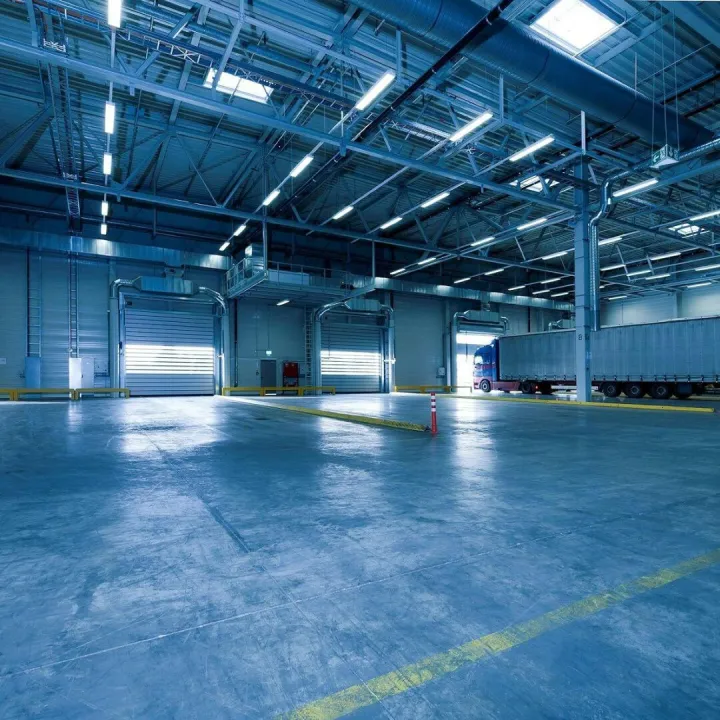
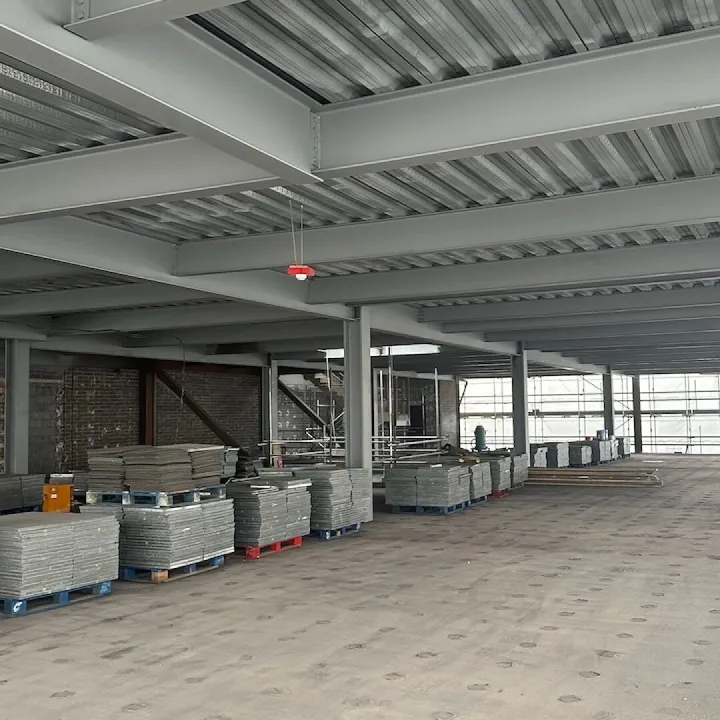
As an intumescent painting specialist, MCP applies high-performance intumescent coatings to structural steel and key elements within warehouses, factories, logistics hubs, and multi-storey commercial buildings.
These advanced coatings expand when exposed to high temperatures, forming a stable insulating char layer that slows down heat transfer to the steel and delays structural failure in a fire.
Modern intumescent coatings are designed to provide 30, 60, 90, or even 120 minutes of fire resistance, depending on specification and thickness. This additional time is critical for safe evacuation, firefighting operations, and protecting business continuity by reducing the risk of structural collapse.
Meeting legal obligations
For owners and managers of commercial and industrial premises, working with experienced intumescent paint contractors helps demonstrate compliance with UK fire safety legislation and insurance requirements.
Professionally designed and documented intumescent spraying jobs can form a key part of your passive fire protection strategy, supporting fire risk assessments and long-term asset management plans.
MCP Painting Group can integrate intumescent coatings with wider cladding cleaning and cladding painting projects, minimising downtime and avoiding the need to coordinate multiple contractors.
Upgrading your fire protection
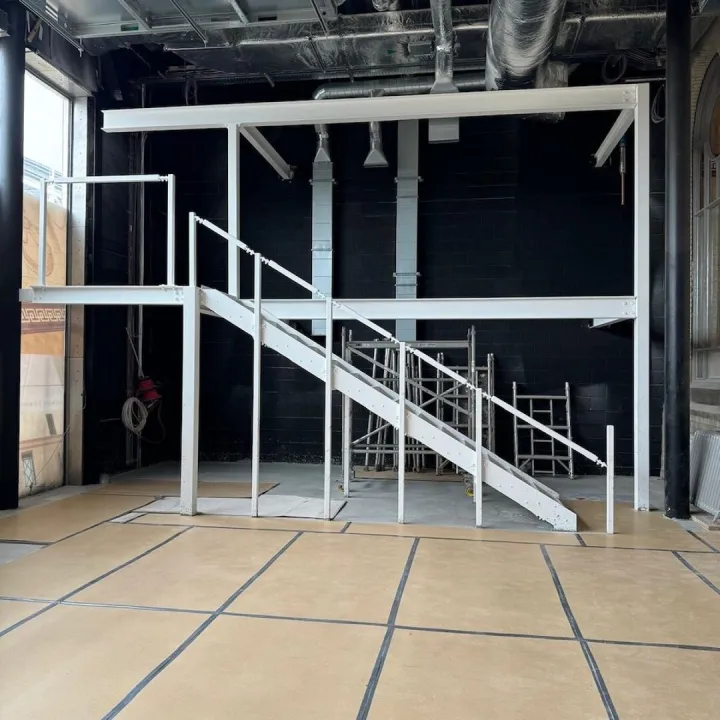
While the cladding restoration team refreshes and protects the external building envelope, intumescent painting specialists can upgrade fire protection to exposed steelwork, plant areas, and other critical elements.
Using tested and certified intumescent paint systems, MCP ensures the correct film build, coverage, and finish are achieved, using airless spraying and detailed inspection procedures to meet the specified fire rating.
This professional approach reduces the risk of non-compliance, premature failures, or remedial work arising from poorly planned or executed intumescent-spraying jobs.
Why choose MCP for fire protection
If your building is due for a refurbishment, cladding overhaul, or change of use, this is often the ideal time to review fire protection to structural steel and consider upgrading to modern intumescent coatings. Requesting a survey and quote from MCP Painting Group gives you precise recommendations, costed options, and a practical programme to deliver both visual improvements and compliant fire protection with minimal disruption to operations.
Your questions on intumescent paint
What is intumescent paint and how does it work?
Intumescent paint is a fire-protection coating used on materials such as structural steel. When it gets hot, the paint expands, forming a protective char layer around the steel. This layer helps slow the rate at which heat reaches the steel. We suggest choosing a fully tested system rather than selecting an intumescent product solely for its claimed fire rating. The system works best when preparation, primer choice, film thickness, and application are all done correctly.
How long can intumescent paint protect structural steel?
Intumescent coating systems can be formulated to provide different levels of fire resistance, typically 30, 60, 90, or 120 minutes. MCP’s service page lists four options based on the project’s needs and coating thickness. We recommend determining the required fire resistance before working out the coating details. For commercial and industrial jobs, we use the project’s specifications and fire engineering information. This approach is more reliable than relying solely on a standard thickness or product description.
How thick should intumescent paint be applied?
There isn’t a single standard thickness for intumescent paint. The appropriate dry film thickness depends on the tested system and factors such as the required fire resistance and the steel's shape. Different steel shapes might need different thicknesses, even for the same fire rating. We measure and control the coating thickness rather than judging by appearance. MCP’s service description highlights the importance of careful application and inspection to get the right coverage. Taking time to specify things properly at the start helps avoid problems, wasted materials, or extra work later.
Does intumescent paint need a primer?
In many cases, yes. The primer is an important part of the coating system because it protects against corrosion and helps the intumescent layer stick. But not all primers work with all intumescent coatings. Using the wrong primer can affect how well the coating sticks or how it performs in a fire. We see primer selection as part of the intumescent paint plan, not just a decorating choice. If a decorative or protective topcoat is needed, it should also work with the intumescent system. We recommend using the primer specified or approved by the coating manufacturer.
Can intumescent paint be sprayed onto existing steelwork?
Yes. Intumescent paint can be sprayed on both new and suitable existing steel. For existing steel, we first check what’s already on the surface. Any loose paint, rust, dirt, or incompatible materials may need to be removed or treated before applying the new coating. Airless spraying is often used for bigger commercial and industrial projects because it covers large areas efficiently and applies coatings evenly. MCP’s service page mentions airless spraying and careful inspection as part of its process. We don’t recommend spraying intumescent paint over an unknown existing coating. For refurbishment projects, we suggest doing a site survey first. This helps us check the current coating, see what prep is needed, plan access, and choose the right intumescent system before starting work.
Does intumescent paint protect steel from corrosion?
Intumescent paint isn’t a replacement for a proper anti-corrosion coating. Structural steel usually needs protection from both corrosion in normal use and high heat during a fire. The coating plan might include a corrosion-resistant primer, an intumescent layer for fire protection, and a topcoat if needed. We see these layers as a complete system. The primer should work with the intumescent coating, and the topcoat can provide additional protection or enhance appearance. We recommend planning for both corrosion and fire protection together. Using a single unsuitable coating for both might seem cheaper at first, but can lead to problems with durability or fire safety.
What steelwork benefits from intumescent coating?
Intumescent coatings can be used on many types of structural steel, such as beams, columns, and other load-bearing parts, provided the chosen system is approved for that use. The shape of the steel is important because it affects how much protection is needed. For example, an I-beam, a hollow section, or a more complex piece will heat up differently. ISO 834-10 covers testing of applied fire protection materials on structural steel members, including beams, columns and tension members. ISO 834-11 addresses the assessment of fire protection systems and considers different steel sections, protection thicknesses and fire resistance periods. We recommend having the steel schedule ready before finalising the intumescent coating plan. Knowing the sizes and exposure conditions helps us choose the right system. For unusual steelwork, such as cellular beams or pieces with web openings, additional checks may be needed because their shapes can affect how standard protection operates.
Do Building Regulations require intumescent paint?
There isn’t a rule requiring every steel structure to have intumescent paint. It’s only needed if the building’s fire plan requires certain parts to meet a specified fire-resistance time. The required fire resistance depends on the building design, occupancy, construction and fire strategy. Approved Document B provides statutory guidance in England concerning fire safety, including structural fire resistance. Approved Document B is still being updated. The government has made changes that will take effect in 2026, so it’s important to check the latest rules for your project when designing and applying coatings.
How is intumescent coating thickness checked?
We measure the coating thickness using proper inspection methods rather than just looking at it. The key measurement is usually the dry film thickness after the paint has cured, but we can also check the wet thickness during application. The measured thickness should match the approved or tested specification for the steel and the required fire resistance. We recommend keeping clear records of the coating system, surface prep, application, and inspection results. This is especially useful for commercial buildings as proof of what was done and how it was checked. Good inspection isn’t just about passing the final check. It also gives helpful information for future maintenance, upgrades, and fire safety management.
Can intumescent paint be applied during refurbishment?
Yes, refurbishment is a great opportunity to review passive fire protection, especially when exposed steel is being cleaned, repaired, or repainted. We have found that building refurbishments, cladding updates, and changes in use are good opportunities to review fire protection and consider upgrading to modern intumescent coatings. We suggest planning this work alongside the rest of the refurbishment. This can help reduce additional access costs and disruption, especially if scaffolding or other equipment is already in place. Adding fire protection during refurbishment can increase initial costs and extend the schedule, but doing so alongside planned maintenance is often more efficient overall.
Free site assessments
Every intumescent painting project begins with a site assessment to ensure the specification meets your operational requirements. If your site is showing signs of wear, rusting or surface damage, or if you are commissioning a new facility, speak to our team. We will assess your site, recommend the correct intumescent paint system and provide a detailed quotation tailored to your exact needs. Contact us today to schedule your free assessment.
Read more on intumescent painting
Intumescent Paint in Buildings
Fireproof coatings explained
Guide to steel coatings