
Industrial Floor Coating
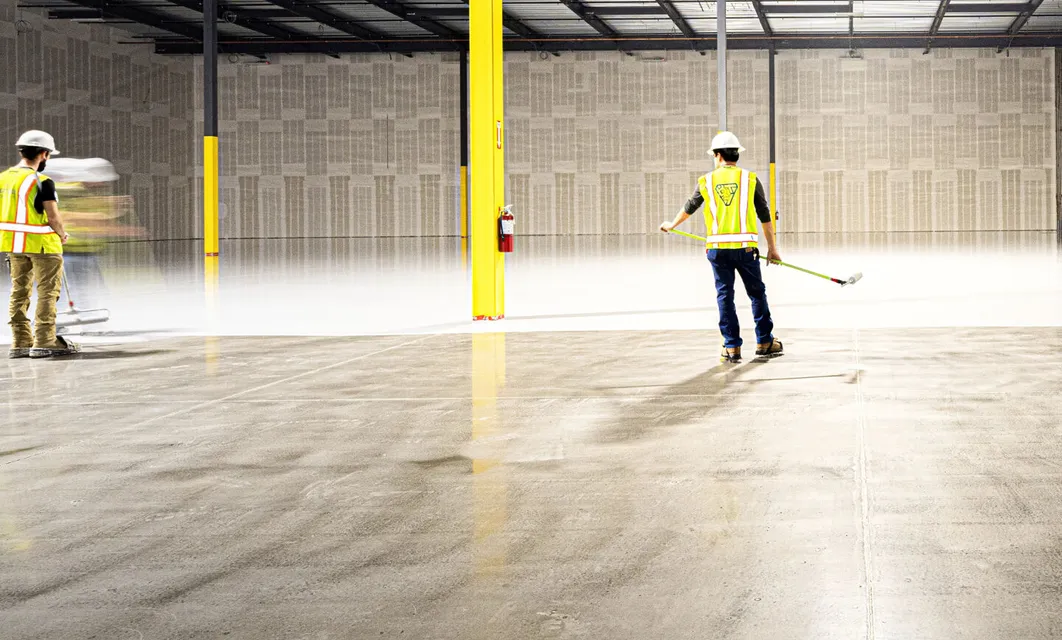
High-Performance Floor Coatings
We deliver industrial floor coating systems designed to withstand heavy traffic, chemical exposure and continuous operational pressure without compromising safety or compliance.
From warehouses and manufacturing plants to food production facilities and workshops, our coatings are engineered for performance, longevity and minimal disruption.
Industrial floor coatings will protect, seal and enhance floors in demanding commercial and industrial environments. Our floor paints are engineered to withstand heavy traffic, mechanical wear and chemical exposure.
Your floor is one of the hardest-working assets in your building. In warehouses, factories, workshops, distribution centres and food production facilities, professionally applied floor coating can directly affect durability, compliance and operational efficiency.
Industrial floor coating systems
Industrial floor painting typically involves applying high-performance coatings to concrete substrates. The most common systems are epoxy, polyurethane and MMA (methyl methacrylate) coatings. Each offers different performance characteristics depending on the environment. We specify the right system for your environment, traffic levels and compliance requirements. Unlike basic paint, these coatings form a tough, bonded layer that integrates with the concrete surface. Proper preparation is critical; the coating is only as good as the substrate beneath it.
Epoxy floor coatings
Epoxy systems are the backbone of industrial flooring. They are ideal for warehouses, engineering facilities and general industrial units. Coatings consist of a resin and hardener that chemically react to form a rigid, highly durable surface. Available in
smooth or anti-slip finishes, epoxy floor coatings have high compressive strength, excellent abrasion resistance, strong chemical protection and are cost-effective for large floor areas.
Polyurethane floor coatings
Polyurethane systems are more flexible than epoxy, making them suitable for areas subject to temperature fluctuations or minor substrate movement. Designed for environments with temperature variations or thermal shock, polyurethane floor coatings are flexible, impact-resistant, and UV-stable. This flooring is most suitable for food processing plants and commercial kitchens
Rapid-cure MMA systems
MMA (Methyl Methacrylate) coatings cure extremely quickly, allowing a rapid return to service. These coatings are perfect when
downtime must be minimised. MMA systems are highly durable, offer fast installation, return to service within hours and can be applied in cold conditions. They are particularly useful where operational downtime is costly.
Warehouses
Factories
Workshops
Arenas
Offices
Shops
Restaurants
Schools
Performance
Protection
Compliance
Flexibility
Expertise
Free surveys
Minimal downtime
Transparent pricing
Industrial & commercial floor coating services
Our specialist coating systems can transform exposed concrete into a durable, sealed and easy-to-maintain working surface, extending floor lifespan and improving operational efficiency.
Safety is integral to every installation. Our systems align with workplace guidance from organisations such as the Health and Safety Executive, supporting safer traffic management and reducing the risk of slips.
Industrial floors are long-term assets. We follow a structured and controlled delivery model. A sealed floor is easier to clean and less prone to damage, lowering long-term maintenance expenses.
We understand that industrial environments cannot afford unnecessary shutdowns. Our team plans every stage to ensure efficiency, safety and durability.
Industrial sectors we serve.
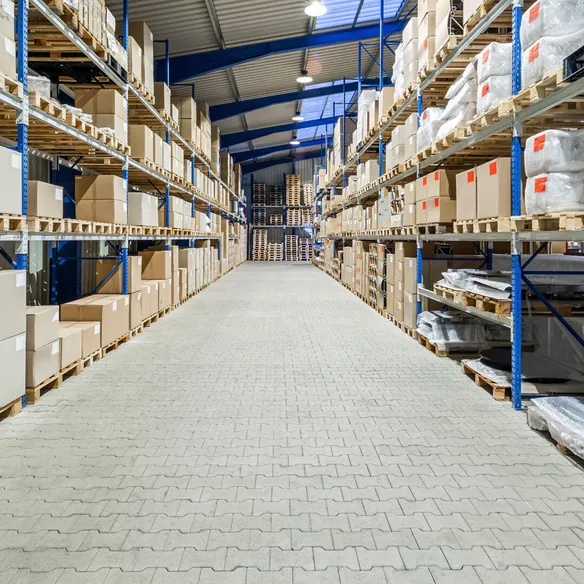
Warehouses and distribution centres
Manufacturing facilities
Automotive workshops
Hangars and logistics centres
Food and beverage production sites
Pharmaceutical environments
Engineering and fabrication plants
Each sector has specific performance requirements, from chemical resistance to hygiene compliance, and we tailor the system accordingly. In sectors such as manufacturing, logistics and food production, floors must also meet hygiene and safety standards. A seamless coating reduces the risk of contamination and simplifies cleaning — a key requirement in regulated environments.
Industrial floor painting is more than a cosmetic upgrade. It is a technical solution designed to meet the mechanical, chemical and safety demands of industrial environments. With proper specification, preparation and maintenance, a high-performance floor coating delivers long-term durability, improved safety standards and measurable operational benefits.
The strategic value of industrial floor painting is now well accepted. Beyond protection and compliance, industrial floor coatings contribute to operational efficiency. Dust-free surfaces protect equipment, and durable coatings reduce the need for shutdowns for repairs, while clear zoning improves workplace safety and workflow.
Frequently asked questions
How long does industrial floor coating last?
Typically 10–20 years depending on traffic, environment and maintenance. Even the most durable floor coatings require periodic maintenance. This may involve routine cleaning using non-abrasive methods, localised patch repairs, and occasional top-coating. Each environment has distinct performance requirements. For example, chemical resistance is critical in automotive and engineering settings, while hygiene and wash-down resistance are priorities in food manufacturing.
How long will my operations be disrupted?
A typical project follows these stages. Site survey and specification, surface preparation, primer application, base coat installation, broadcast aggregate if anti-slip is required, topcoat sealing, curing and inspection. Curing times vary depending on the system. Epoxy may require several days before heavy traffic can use it, while MMA systems can return to service within hours. We work efficiently to minimise operational disruption and can schedule installations around your production requirements.
How much does industrial floor coating cost?
The cost of industrial floor painting depends on several variables. The floor size is the main consideration, but there are also the level of preparation required, the chosen coating system, the application thickness, downtime constraints, and any line marking or specialist finishes. We offer a free survey and a no-obligation quote for floor coatings.
Can damaged concrete be repaired before coating?
Yes. We carry out crack repairs, joint filling and substrate remediation before applying coatings. No industrial floor painting project succeeds without rigorous preparation. This typically involves mechanical grinding or shot blasting, removal of previous coatings, crack and joint repairs and moisture testing. Surface profiling ensures the coating bonds effectively. If moisture levels are too high, specialist damp-proof membranes may be required before painting. Inadequate preparation is the most common cause of coating failure, leading to peeling, bubbling or delamination.
Are anti-slip finishes available?
Yes. We can incorporate graded aggregates to achieve the required slip resistance. Slip resistance testing may be required to demonstrate compliance with workplace safety regulations. Safety is a primary driver behind industrial floor painting. Coatings can be enhanced with aggregates to create anti-slip finishes, reducing the risk of accidents in wet or oily conditions.
Can you line-mark new flooring?
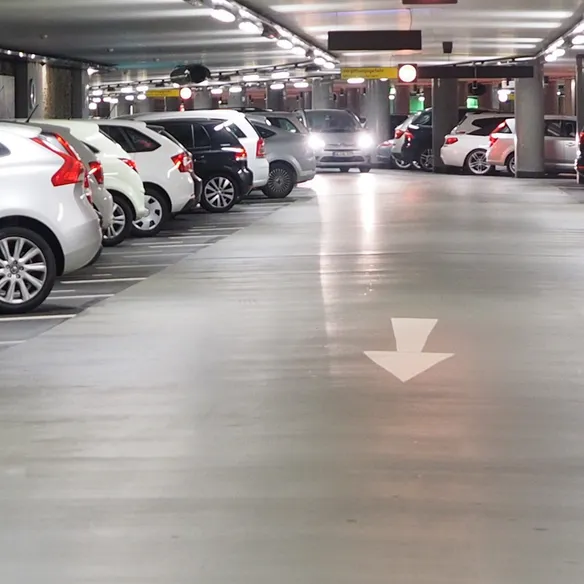
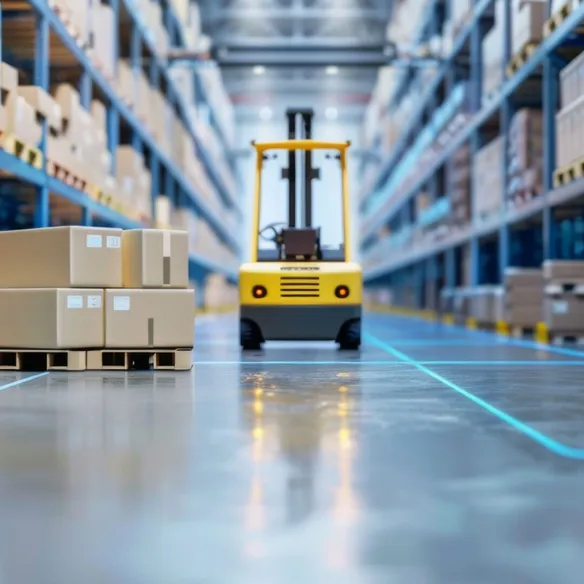
Yes. Line marking and zoning are common applications for defining walkways, forklift routes, and hazardous zones. In the UK, compliance with guidance from organisations such as the Health and Safety Executive is often a major consideration when specifying floor systems, particularly regarding slip resistance and safe traffic management.
What about environmental and compliance rules?
Modern industrial floor paints increasingly meet low-VOC standards to reduce environmental impact and improve indoor air quality. Water-based and solvent-free systems are now widely available. In some sectors, compliance with industry regulations is mandatory. For example, food production facilities must ensure coatings are non-tainting and easy to sanitise.
Free site assessments
Every floor coating project begins with a site assessment to ensure the specification matches your operational demands. If your industrial floor shows signs of wear, dusting, or surface damage, or if you are commissioning a new facility, talk to our team.
We will assess your site, recommend the correct floor coating system and provide a detailed quotation tailored to your operational needs. Contact us today to schedule your industrial floor coating assessment.